
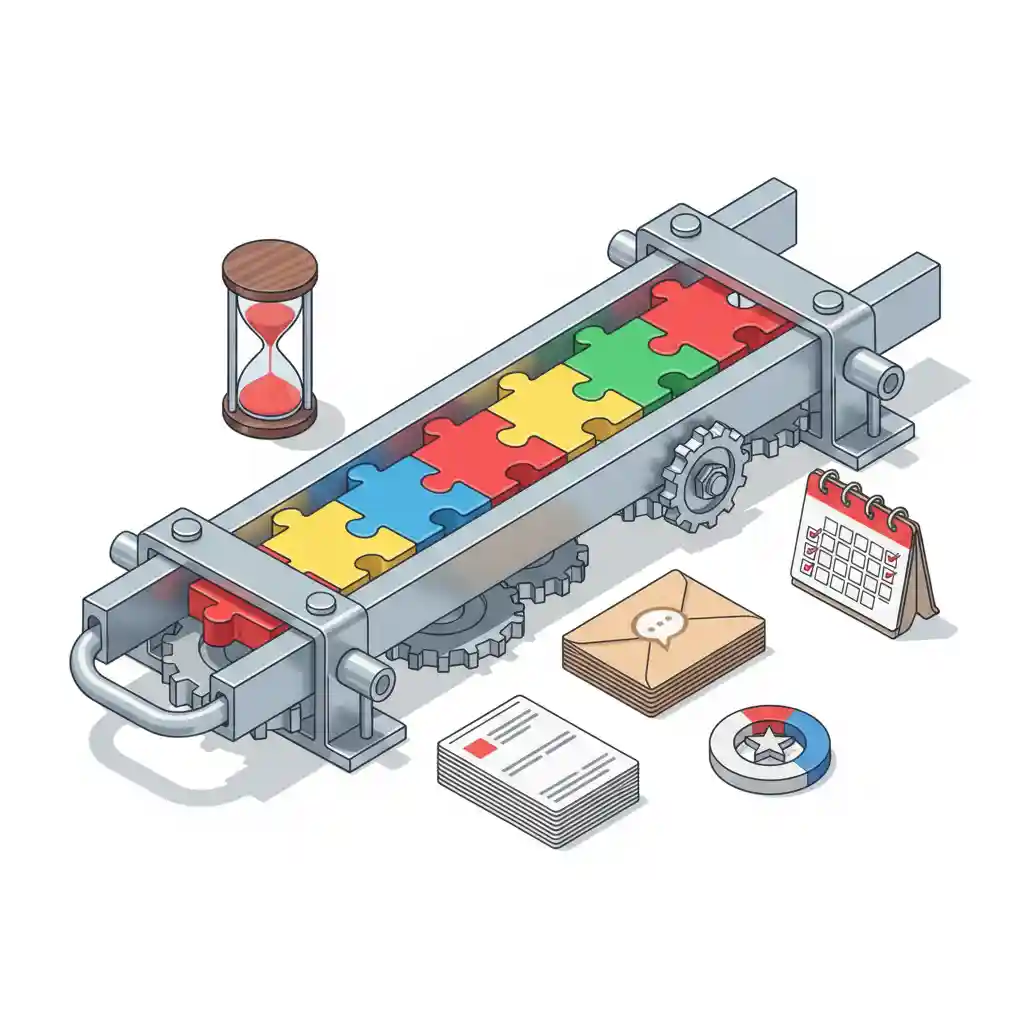
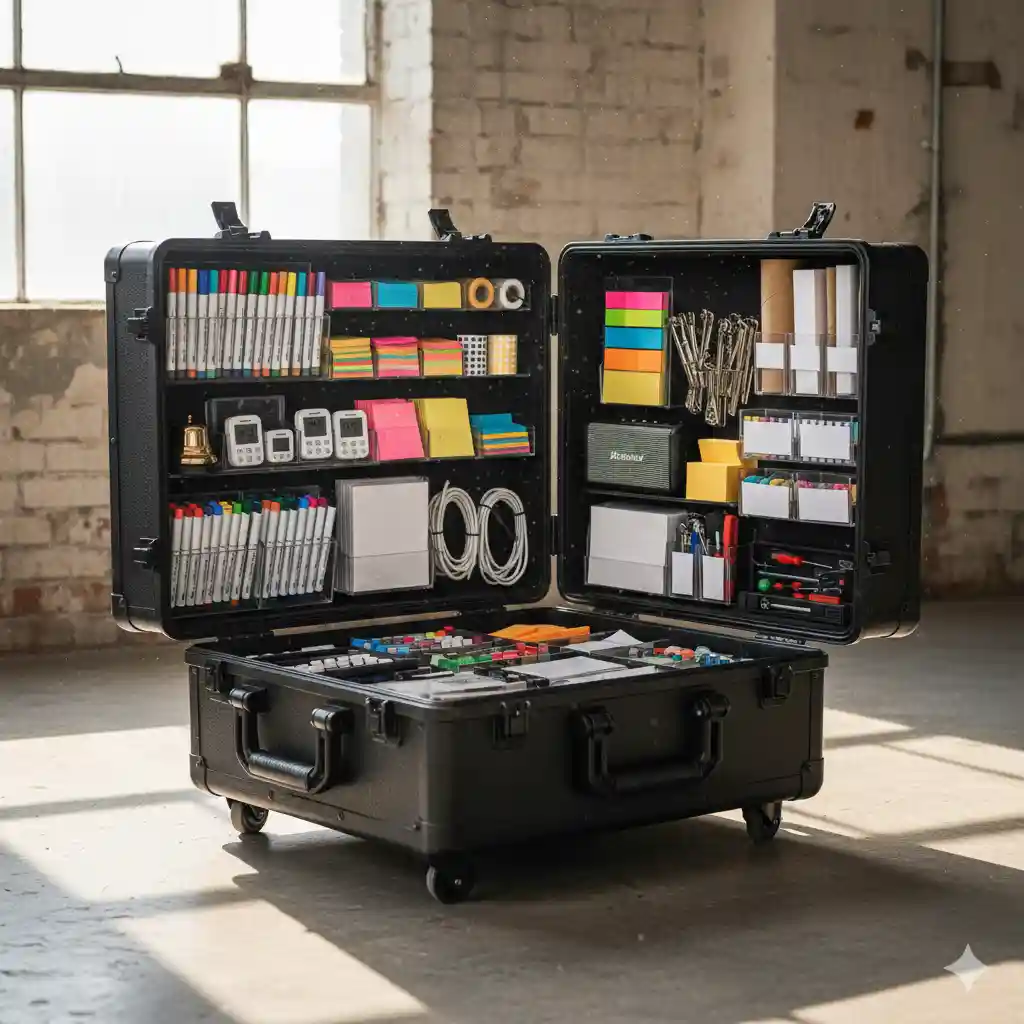
1) Define outcomes & success metrics
Pick 1–2 clear outcomes (e.g., “rebuild trust after a reorg”, “improve cross-team hand-offs”). Decide how you’ll measure success:
- Quick pulse survey before & 48 hours after (1–5 scale on connection, clarity, motivation).
- Observable behaviours (e.g., fewer dropped hand-offs, more inter-team asks).
- A single team habit to trial for two weeks.
2) Build a balanced agenda (fun + purpose)
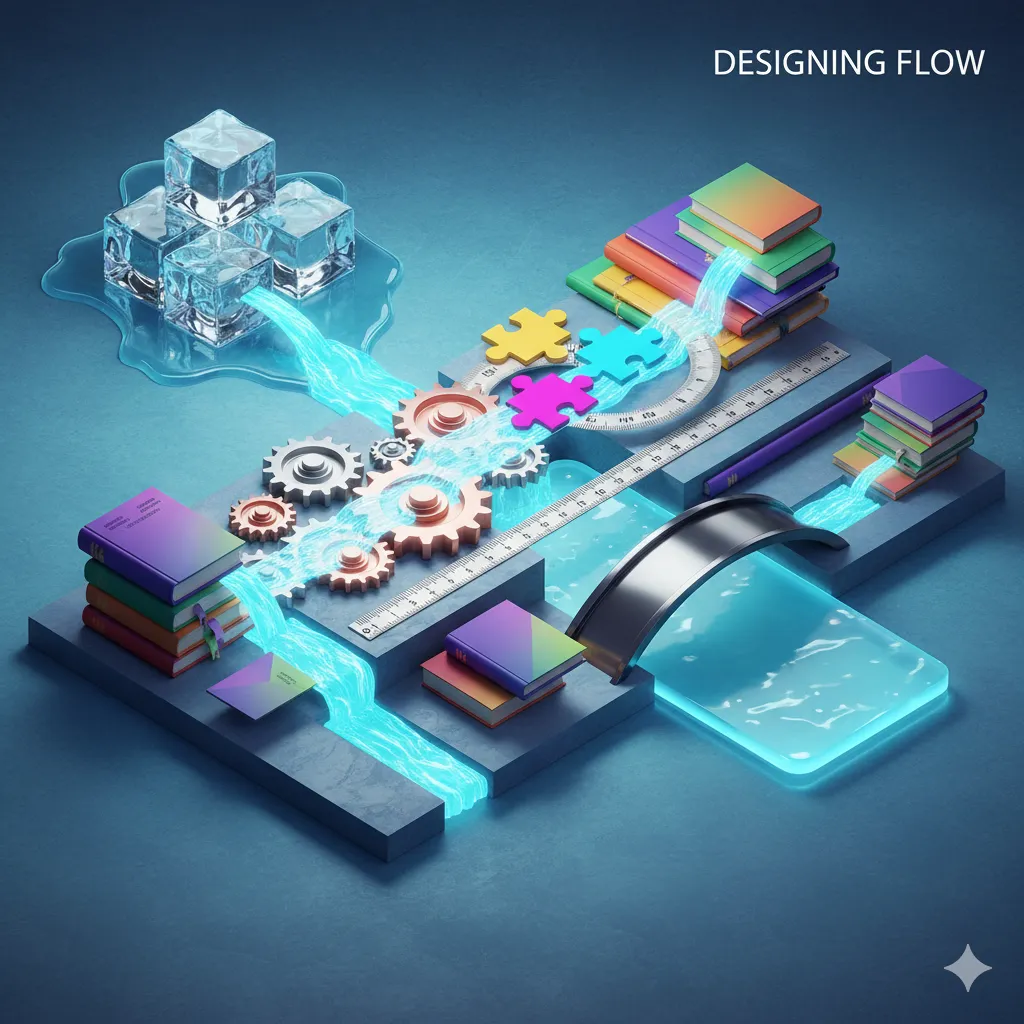
Great team days mix **energy**, **reflection**, and **application**:
- Openers: short icebreakers that include everyone.
- Core challenge: collaborative activity that mirrors real work (communication, problem solving).
- Debrief: guided conversation to connect the activity to daily work.
- Application sprint: decide one behaviour to try next week.
Design for different personalities: offer choices, keep instructions simple, and vary pace.
3) Get logistics right (venue, budget, access)
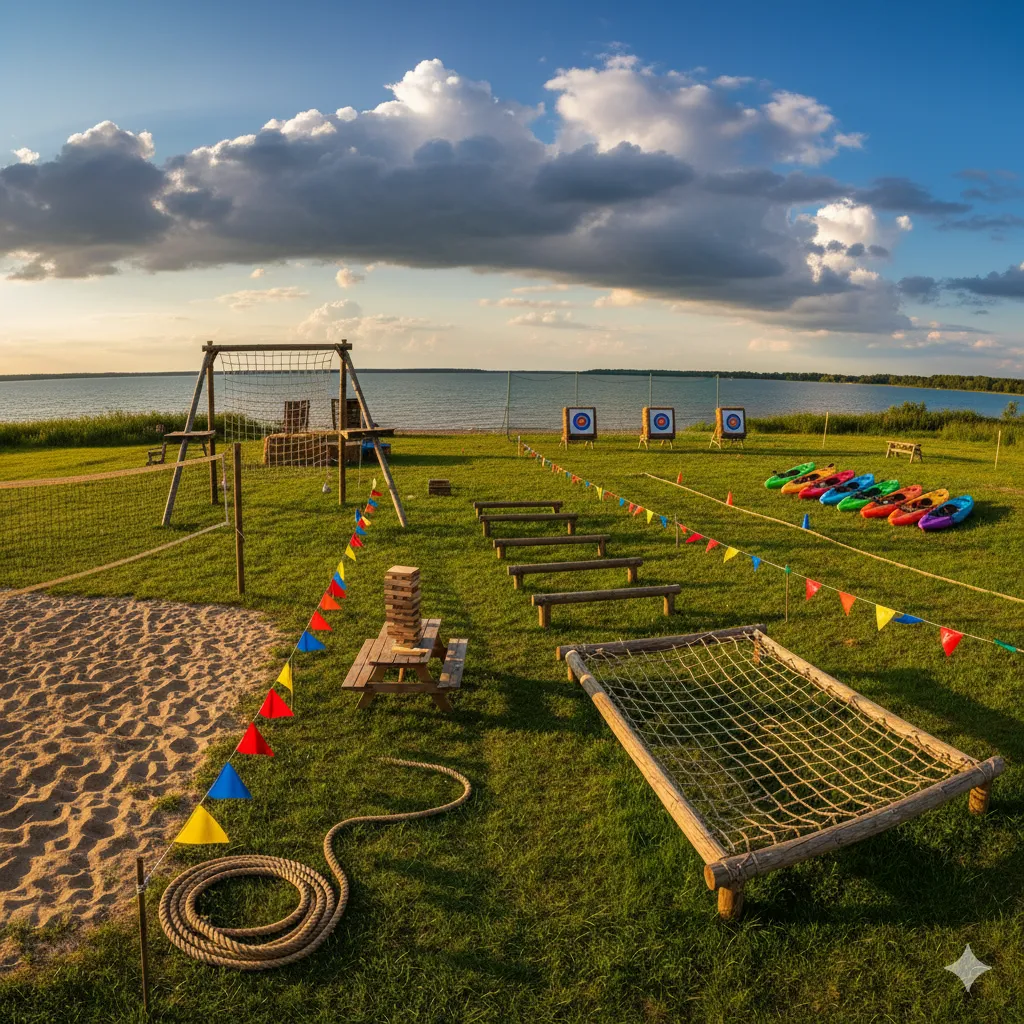
- Venue: enough open space, backup for rain, quiet area for debriefs.
- Accessibility: step-free access, seating options, sun/shade, dietary needs.
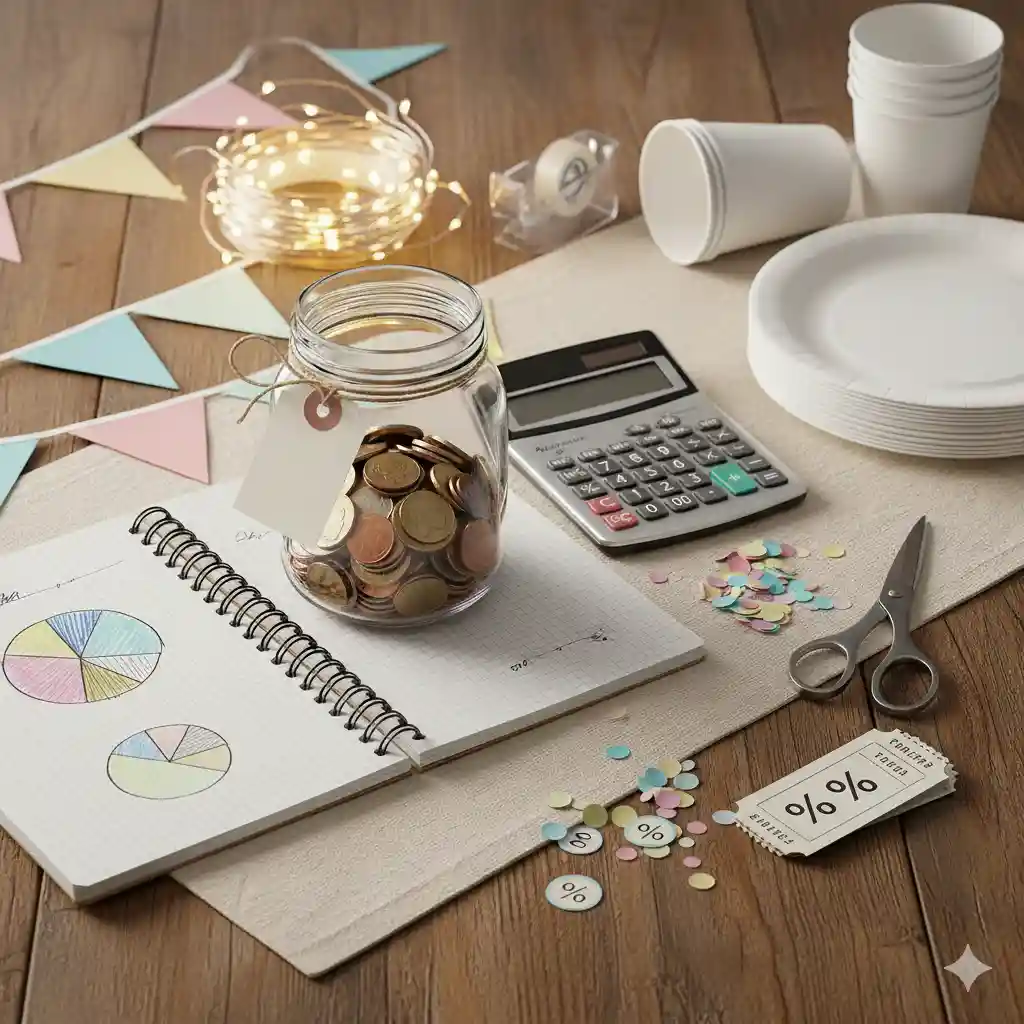
- Budget: prioritise sound, facilitation, and a simple theme; save on decor.
- Timing: avoid month-end crunch and align with travel/parenting windows.
4) Communicate before, during & after
Before: share the purpose, schedule, dress code, and any prep.
During: keep time, capture photos, and name the behaviours you’re seeing.
After: send a one-page recap, survey link, and the next-step habit. Managers should follow up in 1:1s within 72 hours.
Sample agenda (6 hours)
- 09:00 Welcome, context, energiser
- 09:30 Core challenge (round 1) → debrief
- 10:45 Break
- 11:00 Core challenge (round 2) → debrief
- 12:15 Lunch
- 13:00 “From insight to habit” workshop
- 14:00 Team charter & commitments
- 14:45 Close & next steps
Download-style checklist (copy & save)
- Purpose agreed & success metric set
- Inclusive activities picked + risk check
- Venue, sound, first-aid, weather plan
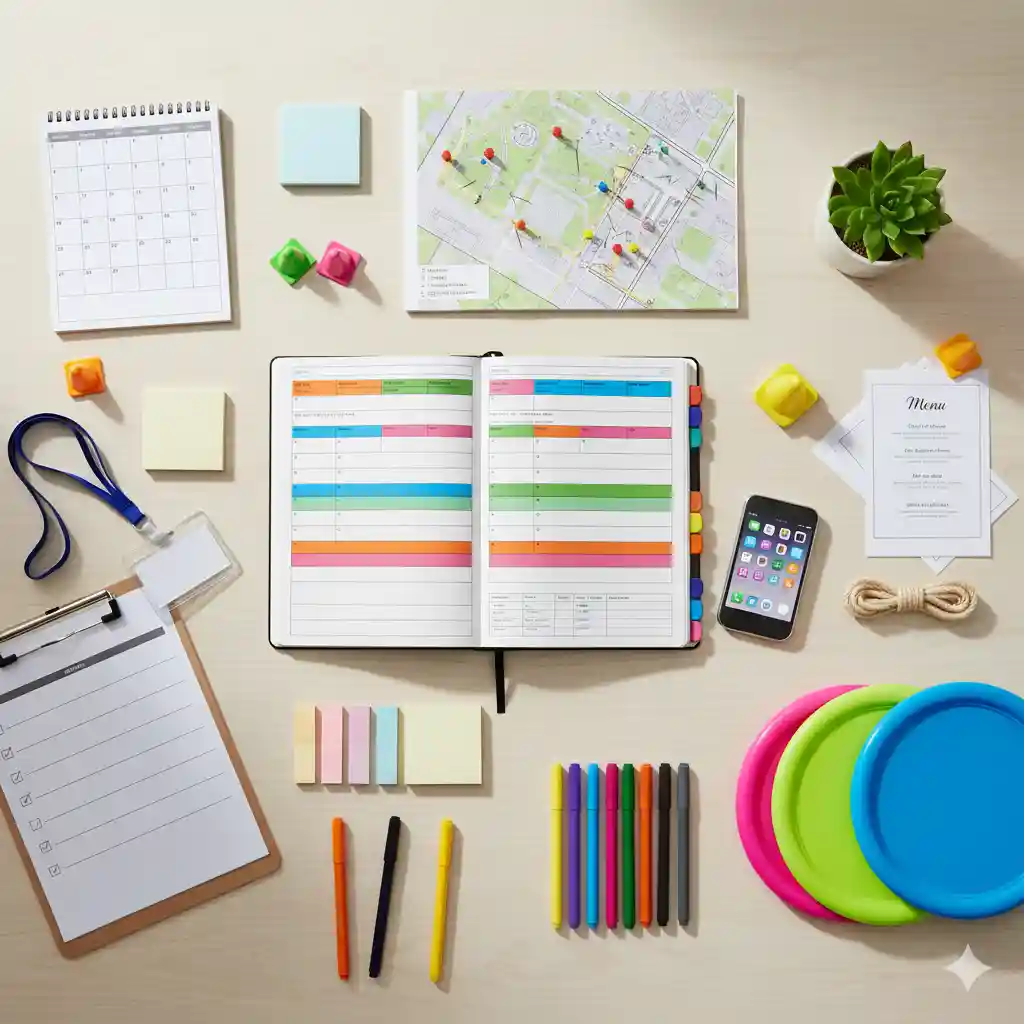
- Briefing email to participants & managers
- Recap template ready; survey drafted
Need help? Explore our team building services or request a quote.
FAQs
- How big can a team day be?
- We regularly run events from 15–200+ people using stations and timed rotations.
- Can we tailor activities to our industry?
- Yes — we mirror real workflow (handoffs, prioritisation, client focus) in the challenge design.